Dampness can affect the comfort, appearance, and durability of a property when moisture problems remain untreated. From small patches of discoloured plaster to persistent musty odours, early warning signs should never be ignored. Manchester’s mixture of older housing and modern developments creates different challenges for property maintenance. Homeowners exploring Damp Proofing Manchester solutions often want practical ways to prevent moisture from damaging walls, flooring, and interior finishes. Understanding the causes of dampness can help residents make informed decisions and protect their homes throughout the year.
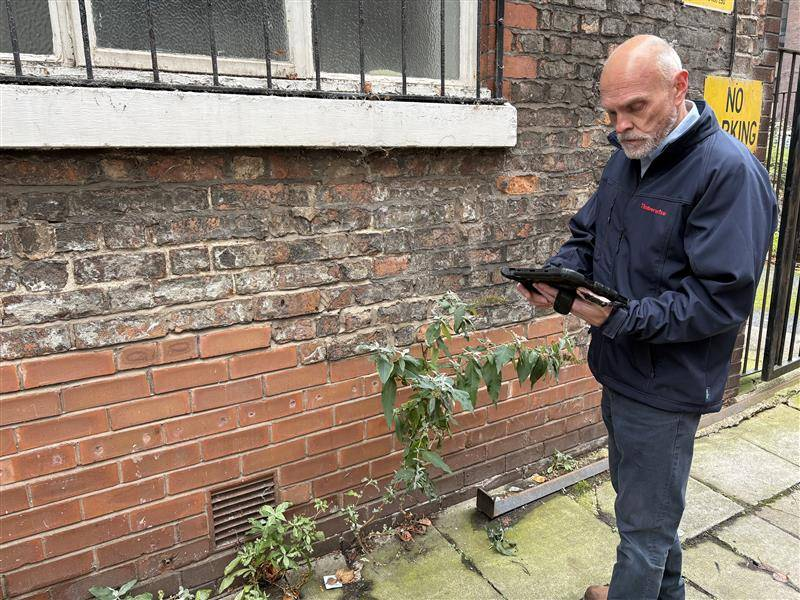
Professional Damp Proofing Manchester services can provide valuable assistance when the source of moisture is difficult to identify. Dampness does not always originate from the area where damage becomes visible. Water may travel through masonry, enter through damaged roofing, or accumulate because of inadequate ventilation. A thorough property assessment helps distinguish between these possibilities and ensures that recommended repairs address the underlying problem rather than merely concealing its symptoms.
One important consideration is the relationship between external weather conditions and building maintenance. Rainwater can enter properties through deteriorating mortar, cracked render, defective roof flashing, or poorly sealed windows. Blocked gutters and damaged downpipes may also direct water against external walls. Regular inspections and prompt repairs can prevent these minor defects from developing into more extensive moisture problems. Maintaining effective drainage around a property is equally important for reducing unnecessary water exposure.
Some buildings may experience moisture movement from the ground. Where a damp-proof course is absent, ineffective, or bridged, groundwater can potentially rise through porous masonry. This may contribute to damaged plaster, staining, and deterioration near floor level. However, similar symptoms can result from plumbing leaks or other defects. Proper diagnosis is necessary before installing chemical barriers or undertaking extensive damp-proofing work.
Indoor humidity can create additional challenges, particularly during colder months. Cooking, showering, and drying laundry release moisture into the air, while insufficient ventilation allows humidity to accumulate. When warm air meets cold surfaces, condensation can form around windows and walls. Over time, this may encourage mould growth and damage decorative finishes. Using suitable extractor fans, improving insulation, and maintaining adequate airflow can help reduce condensation problems.
Routine property maintenance supports effective moisture control. Homeowners should regularly examine plumbing connections, roof coverings, external brickwork, and drainage systems. Small leaks should be repaired promptly, and persistent damp patches should be investigated before redecorating. Monitoring indoor humidity can also help identify conditions that contribute to condensation. These preventive measures may reduce repair costs and improve everyday comfort.
When selecting a damp-proofing contractor, it is important to consider experience, survey methods, and the clarity of proposed solutions. A reliable specialist should explain the suspected cause of moisture, outline appropriate repairs, and provide transparent pricing. Property owners can benefit from comparing assessments before committing to major treatment work.
Protecting a Manchester property against dampness requires consistent attention and a practical understanding of moisture behaviour. Accurate inspections, timely repairs, and effective ventilation can help preserve building materials and maintain comfortable living spaces. By addressing problems early and following suitable maintenance practices, homeowners can reduce future damage and support the long-term condition of their properties.